
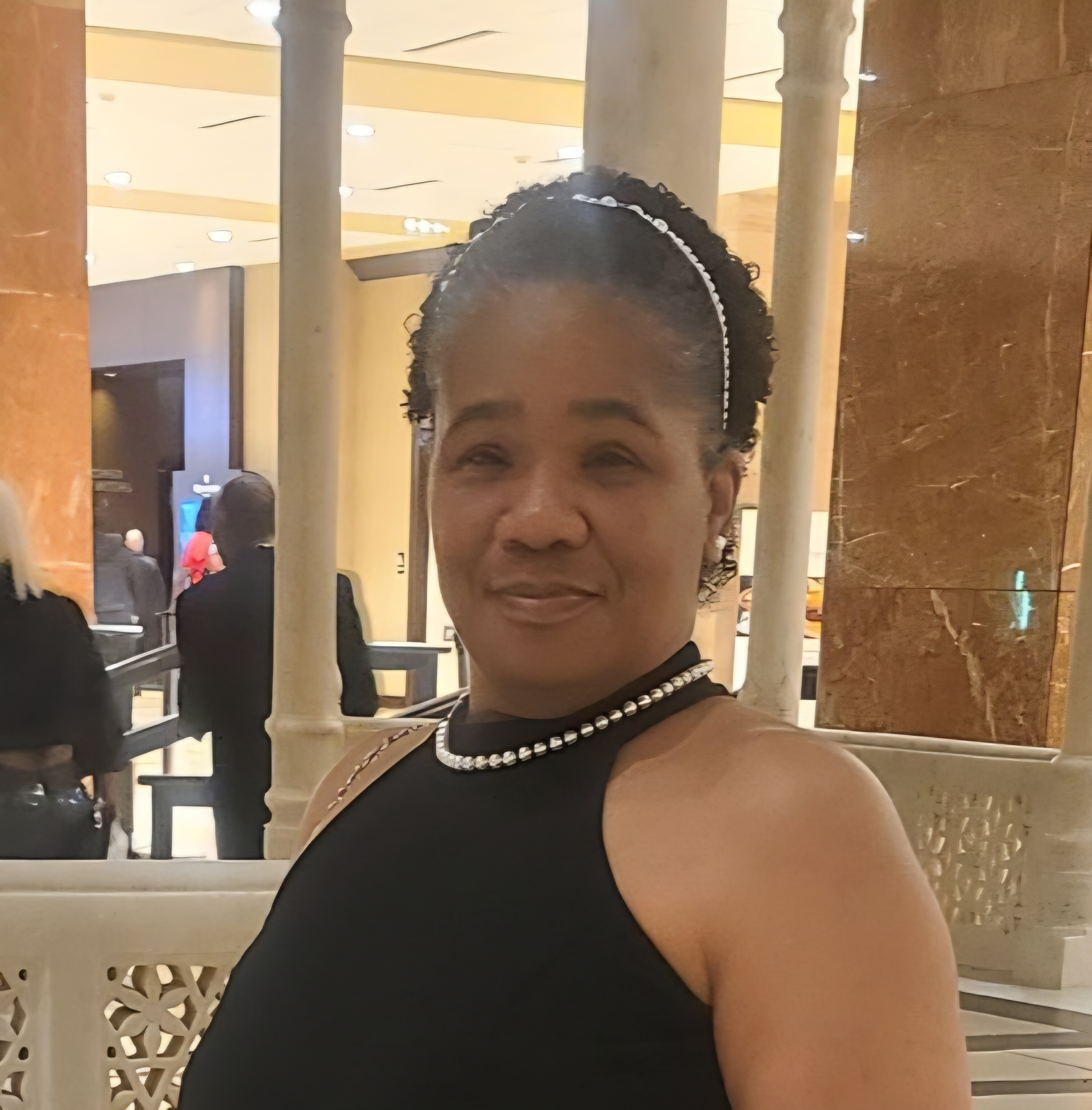
God’s Daughter: When Maternal Love Hurts, God’s Love Heals by Natasha Lee
Through authentic storytelling and spiritual insight, this book connects with women who have endured emotional abuse, manipulation, and rejection from the one who was supposed to love them most. It encourages those who are hurting, gives voice to those who feel unheard, and guides them toward healing and wholeness through the redeeming love of Christ.
God’s Daughter offers a lifeline for women ready to face the hidden wounds of toxic maternal relationships, find freedom through God’s truth, and live out their God-given purpose with courage and clarity.
The companion God’s Daughter Bible Study offers reflection, biblical insight, and practical steps to help women apply these truths to discover their God-given purpose and live it out. Both will make excellent gifts for any occasion or time of the year!
Find God’s Daughter at Barnes and Noble
https://www.barnesan
| Soignée Lifestyle Magazine Intimate Conversation with Natasha Lee |
| Natasha Lee is a first-time author on a faith walk, called to share her story with women navigating the pain of toxic maternal relationships. A graduate of North Carolina A&T State University, she spent 31 years in federal government service before retiring at 55. Her decision to write came as an act of obedience to God, who led her to share her testimony as both a light and a lifeline for women carrying the emotional weight of complex and painful relationships with their mothers. Her debut book, God’s Daughter: When Maternal Love Hurts, God’s Love Heals, is the culmination of a lifetime spent searching for love and acceptance—and a powerful testament to how God’s love transformed everything. She began writing when silence felt suffocating, and expression became her only way forward. Through the process, she found peace, clarity, and a deeper understanding of God, herself, and the world around her. Natasha’s work creates a safe, soulful space for those who have loved deeply, lost quietly, and grown through hard truths. She speaks candidly about discovering who God is and who He isn’t, redefining identity and purpose through Christ, and building healthy relationships with those who become chosen family. Whether on the page or in person, her words offer sanctuary and solidarity to women healing from wounds that often go unnamed. A devoted wife of 22 years to her husband William and mother to their adult son Anthony, Natasha makes her home in Texas. For more than two decades, she has been an active member of Oak Cliff Bible Fellowship Church in Dallas, serving in multiple ministries and remaining committed to both personal and spiritual growth. SLM: Introduce your latest work, God’s Daughter: When Maternal Love Hurts, God’s Love Heals. Why did this message need to be told now? Women from all walks of life are fighting a common battle with the person who is supposed to love, nurture, guide, and protect them. Yet this is also the person who has been the source of much pain through emotional and physical abuse. They are manipulative and indifferent toward their daughters. Nothing their daughters do is ever enough for these mothers. These daughters have grown up conditioned to accept their mothers’ behavior, believing that “that’s just how she is,” out of love and respect. They don’t feel free to speak up and tell the truth; even if they did, no one would believe them. They feel unloved, unaccepted, overwhelmed with guilt and shame, and trapped. This situation affects every part of their lives. God isn’t a source of comfort for many of them because they fear He will punish them for not being good enough daughters. These daughters need to know they aren’t alone. Their relationships with their mothers do not define them, they are so much more. They don’t have to accept abusive behavior from anyone, including their mothers. Most importantly, God sees them, and He isn’t out to punish them. He wants to help them heal so they can live free of the bondage that has held them for so long. He desires their freedom so they can live out His purposes—not just for themselves, but for those who come after them. SLM: For women who’ve silently carried the pain of a strained maternal relationship, what do you hope they feel when they read your story? We need to give it the correct name. This relationship is toxic and abusive. Different rules apply compared to a strained relationship. Once she’s read my story, I hope she feels understood. I hope I was able to communicate something she’s been trying to express but couldn’t find the words for. I hope she understands that what she’s felt is real; she’s not crazy. I hope she feels encouraged to seek healing for herself. I hope she can see God’s hand in my story and what He’s done for me and trust Him to move in her life as well. SLM: What finally helped you name the dynamic with your mother as toxic, and what shifted once you gave it that name? Examining the definition of the word made it clear that it was appropriate for describing the relationship. Toxic means “very harmful or unpleasant in a pervasive or insidious way.” Toxic behavior is defined as being consistently harmful, causing distress or damage to others. It was difficult to accept. I tried to rationalize it, explain it away, but I understood that if I didn’t call this by its name and see it for what it was, I would never heal. I would never get better. I wanted to be present in my life. I wanted to experience it, feel it, and enjoy it. I was tired of being detached and feeling numb to everything around me, just getting through each day. I had a wonderful family I’d prayed for; I had the things I wanted my entire life. I wanted to be my best self for them. I wanted to know and understand God’s purpose for my life and have the courage to walk in it. That was the first time in my life that I felt something wonderful might be waiting for me, and I wanted to find it. SLM: How did your faith reshape the way you processed what happened between you and your mother? There came a time when I had to accept that she would never be the mother I wanted and needed her to be. Continuously expecting that from her only led to disappointment and pain each time. Because she’s my mother, I believed that if I didn’t get it from her, I never would. When I shifted my focus away from her, I was able to see Him. I recognized the provisions God made for me. I saw the women He placed in my life to fill those voids. I observed His protection when I felt alone; He was always there. I saw His grace and mercy. I started to see Him as a loving, caring parent, not as a tyrant waiting to punish me because I was a bad daughter. SLM: Did you feel resistance in yourself—spiritually or emotionally—about writing this book? How did you move through that? Writing has always been my preferred form of communication. I knew I could write, but I never imagined I would write a book; it seemed silly to me. I felt a divine pull from God to pursue it. I asked God, “Do you realize what You’re asking me to do?” I thought about how it would be received, who would say what, and my motives being questioned. I worried about my story being out there for the world to see, and I told God why I couldn’t do it. He responded with reasons why I could, and it was confirmed repeatedly through sermons, people from different parts of my life agreeing, and by reading the Word. At some point, I realized that not doing it would be disobedience. This would be my faith walk because it didn’t make sense that He would choose me for this. Then I started crossing paths with people who faced the same issue or knew someone who did. They told me I needed to tell my story. Finally, I said, “Okay, I’ll do it. I’m scared, but I’ll do it.” I’m still scared, but I understand there’s a purpose in my painful experience. He’ll use it for good—both for others and for me—as I continue healing, and ultimately for His glory. SLM: You created a Bible study as a companion to the book, God’s Daughters: Bible Study. What conversations did that study open up for the women who participated? When I led the test group, I concentrated on the technical aspects of what we were doing. Is this the right question? Should it be asked differently? Is there something that wasn’t addressed or should be addressed differently, things like that? These women were people I knew, but they didn’t know each other outside of the group. I was concerned about how they would connect, or if they would connect at all, especially given such a sensitive topic. The connection these women made was remarkable, and it didn’t take long. We sometimes didn’t finish all the questions because they enjoyed being in an environment where they felt like-minded and could discuss things they couldn’t openly talk about elsewhere. They were in a space where they could speak freely without fear of criticism or correction. It was freeing for them because they felt understood. Among them, two women had mothers with dementia. They shared stories and exchanged practical tips on managing the condition. One shared that, with her mother’s dementia, her mother had forgotten how much she hated her daughter. She wouldn’t have been able to say that in just any setting, but every woman in that group understood exactly what she meant. For others not facing that situation at the time, they gained valuable information in case they encounter a similar challenge. I also used the Bible study as a one-on-one coaching tool, which worked well because not everyone feels comfortable in a group. Still, it provides a safe environment where individuals can be heard and understood. SLM: How did facing the truth about your mother impact the way you show up for your child, especially on the days when healing felt raw? It was a time when my son came to my aid. He was an adult when I realized how toxic the relationship was and how much it affected me. I never fully explained the nature of my relationship with his grandmother when he was younger. He knew we argued sometimes, but that was all. I didn’t want to negatively influence his feelings about her. They had built a very good relationship, which made me happy. Once he reached adulthood, he started to see things for himself. During a difficult period between her and me, he asked what was going on between us. I was still hesitant to explain, but he reminded me he was a grown man and wanted to know, so I told him everything. It gave him context for some of the things he was witnessing firsthand. He was very supportive and protective of me. SLM: What has your child unknowingly taught you about grace, love, or repair while you were learning how to mother yourself? experienced unconditional love and grace from my son. He was an adult when I finally understood my relationship with my mother and how it affected me. I realized the ways I had let him down, not intending to, but it happened just the same. I was doing everything I could to be different, but because I didn’t understand what was happening, he was affected. We talked a lot. He spoke, I listened; I spoke, he listened. I was remorseful, and I shared what was going on with me as he was growing up. It wasn’t for him to feel sorry for me, but so he would understand the context and see the big picture. I didn’t want there to be any questions he didn’t have the answers to. Those were tough conversations to have. He asked questions, and I answered. I was so grateful to hear him say that he understood, loved me, and was proud of me. He’s my son, but he’s also a dear friend and one of my biggest supporters. SLM: What do you say to someone who still struggles with guilt for speaking the truth about their mother? This is not a typical mother-daughter conflict seen in healthy relationships. The daughter has experienced emotional abuse from her mother. The mother displays grandiosity, a constant need for attention, a lack of empathy or compassion, manipulation, envy, and jealousy. The daughter has endured these behaviors from her mother her entire life. Despite this abusive behavior, she still often finds it difficult to speak up. Counseling should be part of this process. It’s too challenging to understand and process without help from a mental health professional. She needs a strong support system as she heals. She shouldn’t try to handle this alone. Support can come from family members, friends, or her extended spiritual community. These people provide her with the love and encouragement she needs to share her story. It’s a complex process, but it’s comforting to know that people believe in her and will stand by her. SLM: What fears, if any, did you push through to finish this project? Fear and People Pleasing. I realized I couldn’t move forward without confronting the fear. The root of that fear was people pleasing, which stemmed from how I was raised. I spent my entire life trying to be acceptable—saying the right things, doing the right things—anything to feel good enough. I looked for it in other relationships. As long as I did what was expected and didn’t rock the boat, I was okay. I told myself it was fine until I faced the choice between what’s best for me and what others expected. When I thought about writing this book, I worried about what people might say and the voices behind the words. People won’t understand; you’ll be misunderstood. This isn’t something I decided to do overnight. I wrestled with God about it. But I looked back at His track record—He’s always been with me, even when I couldn’t see Him. He never left me, and He’s still by my side. I had to trust what’s true about God and ignore what anyone else might say. I know my story isn’t for everyone. Many won’t understand, but God will use it for those who do, those who need to know they’re not crazy, that something is really wrong. No matter what others say—good or bad—I have to focus on the fact that ultimately, this is God’s story. I am just the vessel He’s using to tell it. When everything is said and done, He’s the one I want to please most of all. SLM: What other art forms feed your creative soul? Music has been a significant part of my life since I was about 7 or 8 years old. As an only child, I spent a lot of time alone, and music became my constant companion. I used music to soothe my sorrows, went to bed with it, woke up with it, and studied with it. It helped me understand my feelings and spoke for me when I couldn’t find the right words. It was my therapy before I knew what therapy was. Even today, it continues to calm me and speak for me. I praise God, thank God, and hear from God through music. For a long time, music was all I had. SLM: How can readers connect with you to support your work? Thanks for asking! Readers can purchase the book for themselves and purchase books and share them as gifts with other women. The bible study would make a great selection for women’s groups or church groups. Find God’s Daughters: Bible Study at https://a.co/d/a3cGdH0 God’s Daughters: Bible Study by Natasha Lee There was a disconnect in your relationship with your mother. Your relationship didn’t look the same as your friends’ or other family members’ relationships with their mothers, and you never understood why. You thought you’d done something wrong and needed to be a better daughter. You spent a lifetime trying to be acceptable to her but it was never good enough. Your relationship with your mother is toxic and you have dealt with the residual effects your entire life. Accepting the reality of the relationship has been difficult and painful. It’s not something most people understand and there has been no safe place to share your feelings. Until now. This bible study brings a biblical perspective to the toxic mother-daughter relationship, facilitate healing, while creating a community with other women with the same experience—a safe place to be heard and understood. This study is not intended to hurt, blame, or embarrass anyone. It is not designed to be vindictive, but it’s about validation. Validation of the pain so many women carry all their lives and have no idea what is at the root, affecting the very core of their being. Whether it’s done individually or in a group, this bible study is intended to encourage hurting women to begin their journey of healing through the truth of God’s Word. |